
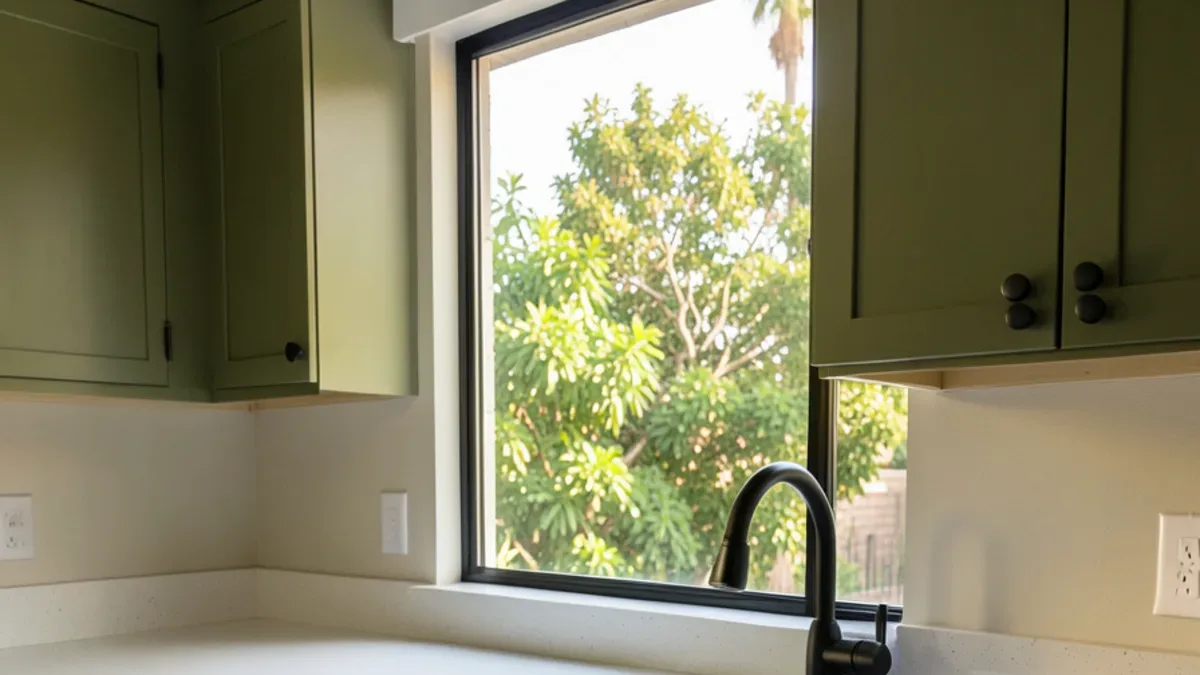
Stainless steel sink choices for the kitchen
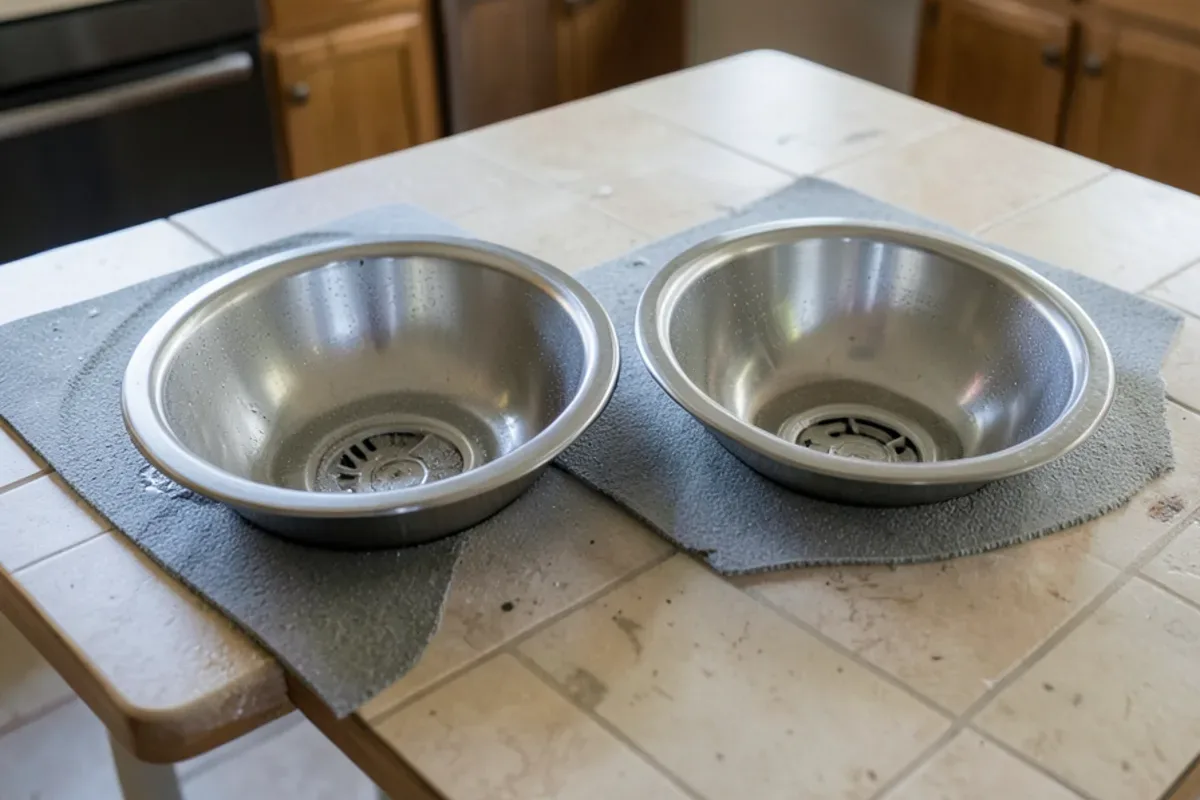
Stainless steel remains the workhorse kitchen sink: it does not chip like enamel, handles boiling water and heavy pots, and suits any countertop color. What separates a good stainless sink from a noisy, dent-prone one comes down to a few specifications you can check in the showroom.
- Gauge. The lower the number, the thicker the steel. 16-gauge is heavy and quiet; 18-gauge is a common, solid middle ground; thinner 20- and 22-gauge sinks flex and dent more easily.
- Sound dampening. Pads or spray coating on the underside cut the drumming of running water and keep the cabinet below warmer and drier.
- Bowl depth. Around 9 to 10 inches holds big pots and hides dishes; very deep bowls can strain shorter cooks' backs.
- Corner radius. Tight, nearly square corners look modern but take more effort to clean than softly rounded ones.
- Finish. Brushed or satin finishes hide scratches and water spots better than mirror polish.
Signs the old sink is due for replacement
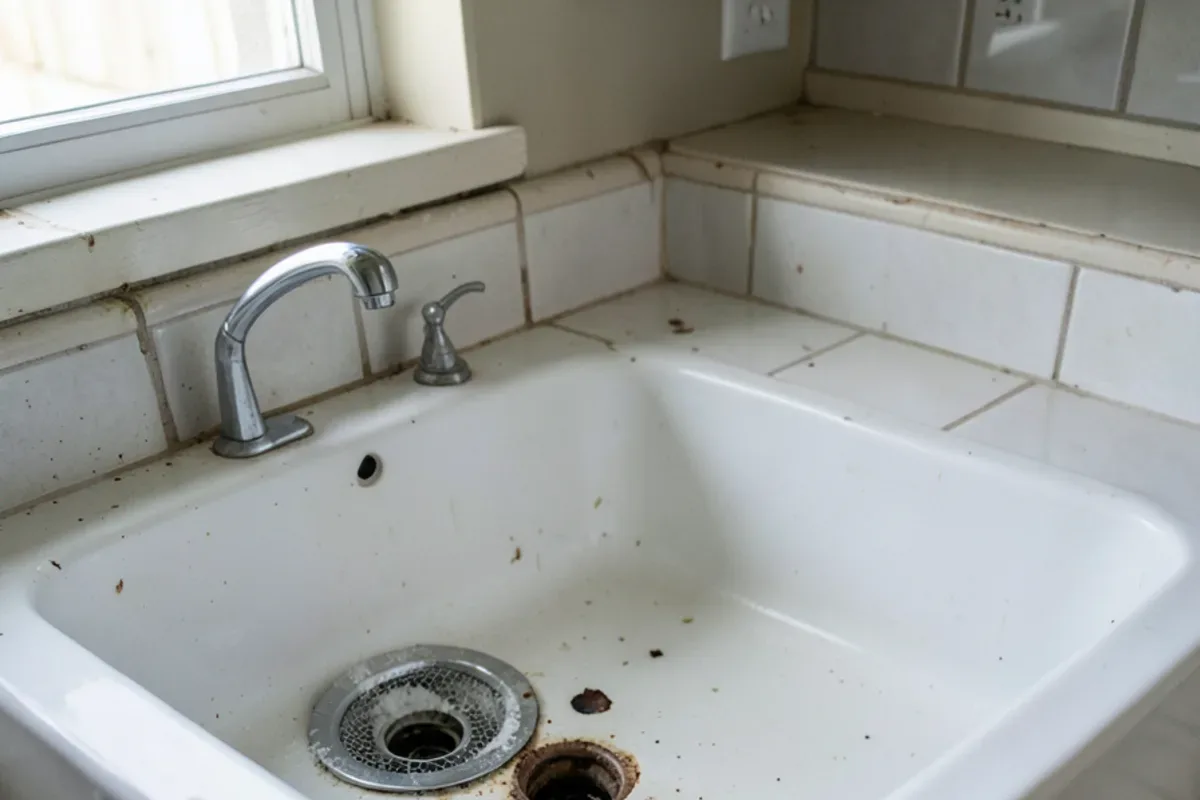
Sinks rarely fail all at once. In Los Angeles kitchens the usual warnings come from age, hard water and the cabinet underneath:
- Chipped enamel on a 1950s–60s cast-iron or steel sink, with rust showing at the chips.
- White mineral scale around the drain and faucet deck that returns days after cleaning, a mark of the region’s hard tap water.
- A drop-in rim whose caulk line has turned black and lets water under the counter edge.
- A soft or stained sink-base floor, which means the leak has already reached the cabinet.
- Thin stainless that booms and dents every time a pot goes in.
Questions about kitchen sinks?
Call with your measurements and photos, or stop by Sherman Way to compare cabinets, counters, tile and flooring side by side.
- Showroom at 13259 Sherman Way, North Hollywood
- 20 Google reviews
- BBB rating A+
- Cabinets, counters, tile & floors in one place
Undermount kitchen sink, drop-in or farmhouse?
How the sink meets the countertop matters as much as the sink itself. With stone tops, most people choose undermount, but each style has a place.
| Mounting style | How it sits | Pros | Watch for |
|---|---|---|---|
| Undermount | Clipped and bonded under the stone; polished cutout edge exposed | Wipe crumbs straight in; clean modern look | Needs a solid surface like granite, quartz or marble |
| Drop-in (top-mount) | Rim rests on top of the counter | Easiest to replace; works with any top | Rim collects grime at the edge |
| Farmhouse (apron-front) | Front panel exposed, set into a special base | Big single bowl, classic look | Usually needs a modified or dedicated sink base |
If you like the farmhouse look, ask the showroom team which apron-front options can be sourced, and plan the sink base cabinet around it from the start. The choosing a kitchen sink guide compares the styles in more depth.
What sink size fits your base cabinet?
A sink must fit inside the base cabinet with room for the walls of the box and the mounting hardware. A common rule is to keep the sink's outside width about 3 inches narrower than the cabinet, but always check the manufacturer's minimum cabinet size.
| Sink base width | Typical maximum sink width | Common choice |
|---|---|---|
| 30 inches | About 27 inches | Single bowl for small kitchens and ADUs |
| 33 inches | About 30 inches | Single or 50/50 double bowl |
| 36 inches | About 33 inches | Large single, double or offset double bowl |
| Wider bases | Larger workstation sinks | Islands and prep-heavy kitchens |
Bring the cabinet width to the showroom, or the cabinet order if new boxes are coming. For new kitchens, the sink base is chosen alongside the rest of the kitchen cabinets.
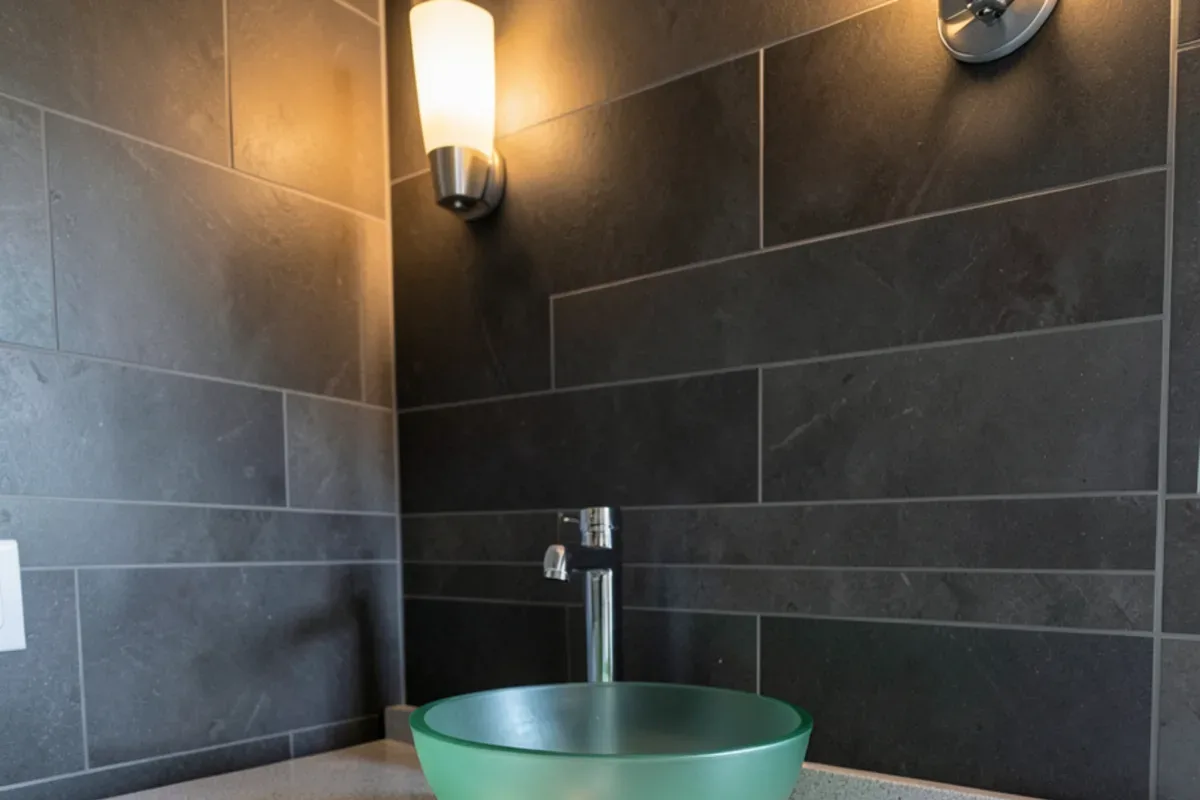
Glass vessel sink options for bathrooms
Glass bowl sinks sit on top of the vanity like a basin, which makes them a strong design move in powder rooms and guest baths. They pair well with a marble or quartz vanity top and work best with a tall single-lever or wall-mounted faucet so the spout clears the rim.
- Tempered glass is standard in this category and handles normal hot water use.
- Vessel sinks raise the rim height, so a slightly lower vanity keeps the basin at a comfortable level.
- Clear glass shows water spots; frosted or tinted glass hides them better.
- The drain is a vessel-specific type, chosen with the sink.
Undermount ceramic bowls are the practical alternative for family bathrooms. Both are covered with vanity cabinets on bathroom vanities.
Sink installation with countertops: the sequence
Choose the sink first
Pick the sink at the showroom before the countertop is templated, so the fabricator can use its exact cutout template.
Pick the faucet and accessories
Decide on single-hole or three-hole faucets, plus soap dispenser, air gap or filtered-water tap, so every hole is drilled at once.
Template with the sink in mind
The countertop is measured on set cabinets with the sink centerline marked, usually centered on a window or the base.
Cutout at fabrication
The sink opening is cut and polished in the shop. Drop-in openings are sized to the rim.
Mount on install day
Undermount sinks are clipped and bonded under the stone when the top is set, then left to cure.
Plumber reconnects
A licensed plumber hooks up the faucet, drain, disposal and dishwasher after the adhesive has cured.
More on scheduling around install day is on countertop installation.
What adds to the cost of a new sink?
- Material and gauge: thicker stainless and specialty finishes cost more than thin, basic bowls.
- Size and bowl count: large single bowls, offset doubles and workstation sinks with ledges for accessories sit higher.
- Mounting style: undermount sinks need a polished cutout; apron-front sinks may need a modified cabinet.
- Accessories: grids, strainers, cutting boards and colanders that fit the bowl.
- Extra holes: each faucet, sprayer or dispenser hole drilled in stone adds a little work.
- Plumbing changes: moving the drain or adding a disposal circuit involves licensed plumbing or electrical work.
Plumbing rules and the license to check
Setting a new sink in the same spot and reconnecting it is routine plumbing work; moving the drain, adding a disposal circuit or relocating the sink to an island is not. Those changes are permitted work: LADBS handles City of LA addresses such as North Hollywood or Encino, while Burbank, Pasadena and Glendale homeowners go to their city’s building office. California’s plumbing code also governs details such as dishwasher drain connections, so the plumber decides how the air gap or high loop is handled. Whoever reconnects the sink should hold a CSLB C-36 plumbing license, and any new circuit belongs to a C-10 electrical contractor; verify both on the CSLB website.
Why pick kitchen sinks in Los Angeles at Adcom
- Stainless steel and glass bowl sinks are part of the showroom's selection.
- Sinks chosen with the stone. Granite, quartz and marble in slab or prefab form are on the same floor, so the cutout is planned with the top.
- Cabinets in the same room. Pick the sink base from local or imported cabinet lines while the bowl is still in front of you.
- Set during countertop installation when you ask for installation of the tops you bought.
To keep stainless looking good, rinse and towel-dry after use, clean with the grain, and avoid steel wool and bleach. Leaving a grid in the bottom saves the finish from pot scratches. Sink shoppers come from Burbank about 14 minutes from the showroom, Pasadena at roughly 27, Glendale at about 24, and Hidden Hills at around 30.
What Google reviewers say
Quoted from public Google reviews. Adcom Kitchen & Flooring has 20 Google reviews; read them all on Google.
“Tony is the best. Great Value, and service. Tony stands behind his products. His granite installers went above and beyond and handcrafted a part of the counter top that required extra effort.”
“Tony and his guys are awesome. We purchased our flooring and installation from him, and couldn’t be happier with the results. He helped us find a style that we would love, and the installation was well done.”
Kitchen Sinks around Los Angeles and Ventura counties
- Kitchen Sinks in BurbankAbout 14 minutes away; many bungalow kitchens still have a chipped original enamel sink on a 30-inch base.
- Kitchen Sinks in PasadenaCraftsman kitchens where an apron-front sink fits the period look but needs a modified sink base.
- Kitchen Sinks in GlendaleSpanish-era homes with off-center windows, where sink placement is settled before the stone is templated.
- Kitchen Sinks in Hidden HillsLarge estate islands with room for a second prep sink or a long workstation bowl.
- Kitchen Sinks in Los AngelesValley homes on hard water, where brushed stainless hides spots and scale better than mirror finishes.
- Kitchen Sinks in Santa Clarita1990s tract kitchens trading drop-in double bowls for one undermount sink in new quartz.
- Kitchen Sinks in West HollywoodCondo kitchens where the drain riser is fixed, so the new sink must sit over the old drain.
- Kitchen Sinks in South PasadenaOlder homes where powder rooms suit a glass vessel bowl on a small marble or quartz top.
- Kitchen Sinks in ArcadiaNew builds on large lots, where island and perimeter sinks are chosen before plumbing rough-in.
Kitchen Sinks: common questions
Undermount or drop-in: which sink is better?
For granite, quartz and marble, undermount is usually the better choice: crumbs wipe straight into the bowl and there is no rim to trap grime. Drop-in sinks are easier to replace later and work with any countertop, including laminate. If you are keeping an existing top and only swapping the sink, a drop-in that covers the old opening is often the practical route.
What sink size fits a 33- or 36-inch base cabinet?
As a rule of thumb, a 33-inch base takes a sink up to about 30 inches wide, and a 36-inch base takes one up to about 33 inches. The manufacturer's minimum cabinet size is the final word, so check the specification sheet. Bring your cabinet width to the showroom and the sink can be matched before the countertop is templated.
Can a farmhouse sink go into existing cabinets?
Sometimes. An apron-front sink needs the front of the sink base cut down and extra support inside the cabinet, because the sink is heavy and sits lower than a standard bowl. Some retrofit models are designed for standard bases. If the countertop is being replaced at the same time, the cutout and base modification are planned together.
Which sink gauge is best for stainless steel?
16- or 18-gauge stainless is the sensible range for most kitchens. Lower numbers mean thicker steel, so 16-gauge resists dents and noise best, while 18-gauge is a solid, more affordable middle. Thinner 20- or 22-gauge sinks flex and drum. Look for sound-dampening pads or undercoating as well, which matter almost as much as the gauge.
Are glass bowl sinks practical in a family bathroom?
They work, with a few trade-offs. Tempered glass handles daily use, but clear glass shows water spots and toothpaste, and the raised rim can be tall for small children. Frosted glass hides spots better. For a busy family bath, an undermount bowl is lower-maintenance; a glass vessel suits a powder room or guest bath best.
Should the sink be centered under the kitchen window?
It is the traditional choice and usually looks best, but it is not required. The sink should be centered on its base cabinet; if the window is off-center, the cabinet layout may need to shift to line them up. Settle this when the cabinets are planned, because moving the drain later involves a plumber and possibly a permit.
Request a kitchen sinks quote
Calling is fastest: (818) 765-9955. Prefer to write? Send the basics and the showroom will get back to you.
Related services
Helpful guides
Areas we serve
Ready to see it in person?
Bring your photos and measurements to the Sherman Way showroom, or call and talk it through first.
Adcom Kitchen & Flooring · 13259 Sherman Way, North Hollywood, CA 91605 · Get directions · Showroom hours
- Showroom at 13259 Sherman Way, North Hollywood
- 20 Google reviews
- BBB rating A+
- Cabinets, counters, tile & floors in one place